Sun exposure can leave a lasting mark on your skin, from tans to premature aging. To protect your skin and remove existing tans effectively, a combination of prevention and treatment is key. Let’s dive into the best practices for sun protection and tan removal.
1. Sun Creams: The Foundation of Sun Protection
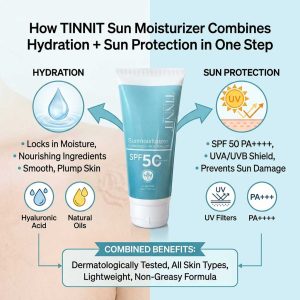
Applying sun cream isn’t just for beach days—it’s a daily necessity. Choose a broad-spectrum sunscreen with an SPF of at least 30 to guard against both UVA (aging) and UVB (burning) rays. Opt for formulas enriched with antioxidants for added protection against environmental stressors. Remember to apply generously to all exposed skin, including the face, neck, and hands.
2. How to Apply Sun Cream Correctly
Many people don’t apply enough sunscreen or miss key areas. Use about a teaspoon of product for your face and neck and about an ounce (a shot glass full) for your body. Apply sunscreen at least 15 minutes before sun exposure and reapply every two hours, especially if swimming or sweating.
3. Natural Detan Remedies
Homemade masks can be a cost-effective and gentle solution for tan removal. For instance, a mixture of yogurt and tomato juice is known for its skin-brightening and soothing properties. Apply this mask for 20 minutes, then rinse with lukewarm water for an effective detan treatment.
4. Chemical Exfoliation for Tan Removal
Chemical exfoliants such as glycolic acid and lactic acid break down the bonds holding dead skin cells together, revealing a fresh layer of skin. Regular use can improve skin tone and reduce hyperpigmentation caused by sun exposure. For those with sensitive skin, start with a low concentration and gradually increase as your skin builds tolerance.
5. Soothe Post-Sun Skin
After sun exposure, calming ingredients like aloe vera gel or niacinamide serums can reduce redness and replenish lost hydration. These ingredients help repair the skin barrier and prevent peeling.
6. Daily Habits for Long-Term Results
Beyond applying sunscreen and using detan treatments, incorporate lifestyle habits like wearing hats, sunglasses, and protective clothing to minimize UV exposure. Seek shade during peak sun hours (10 a.m. to 4 p.m.) to further reduce the risk of skin damage.
7. Incorporate Professional Treatments
For stubborn tans or extensive sun damage, consider consulting a dermatologist about professional treatments such as chemical peels or laser therapy. These procedures can effectively target deeper layers of the skin and accelerate tan removal.
By maintaining these sun protection and tan removal practices, you can enjoy sun-kissed days while keeping your skin healthy and youthful.